Paddington Recreation Ground event rubbish removal Maida Vale
Posted on 22/05/2026
Paddington Recreation Ground Event Rubbish Removal Maida Vale: A Practical Local Guide
If you are planning or clearing up after a community match, sports day, fundraiser, family gathering, or private celebration near Paddington Recreation Ground, the rubbish can build up faster than you expect. One minute it is just a few paper cups and food boxes; the next, you are staring at overflowing bags, broken packaging, and a trail of waste that needs sorting before the area looks presentable again. That is where Paddington Recreation Ground event rubbish removal Maida Vale becomes more than a convenience. It becomes the difference between a tidy, well-run event and a messy end-of-day scramble.
In this guide, we will look at how event waste removal works locally, what kind of rubbish typically appears after an event, the practical steps to plan ahead, and how to choose the right approach for your venue, schedule, and budget. We will also cover compliance, safety, and a few common mistakes that catch people out. If you want a calm, clear plan instead of a last-minute panic, you are in the right place.
Quick takeaway: good event rubbish removal is not just about taking bags away. It is about sorting waste early, protecting the ground or venue, keeping access routes clear, and making sure the clean-up does not disrupt neighbours, park users, or your team.
Why Paddington Recreation Ground event rubbish removal Maida Vale Matters
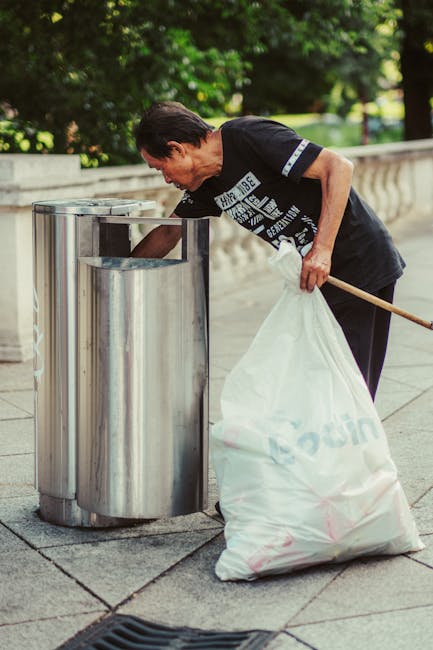
Event rubbish is different from regular household waste. It arrives in waves, not in a steady stream. One hour the bins are fine, and the next hour you have food waste, cardboard, plastic bottles, disposable plates, broken decorations, cable ties, and the odd forgotten item from a stall or gazebo. At a busy local event, that can quickly become a problem for safety, appearance, and timing.
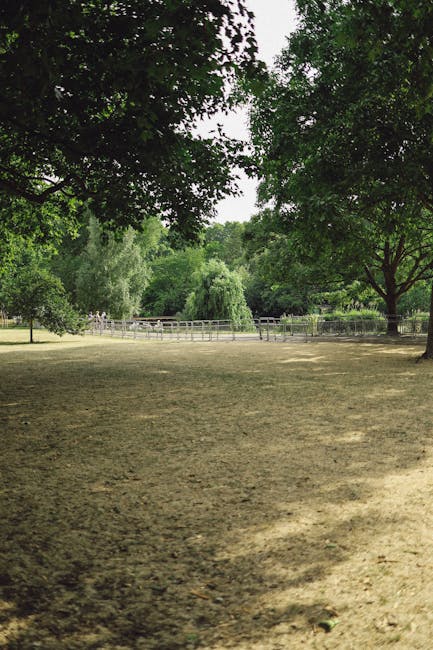
At Paddington Recreation Ground, the setting matters too. You are often dealing with shared public space, foot traffic, sports use, nearby residents, and the simple need to leave the area as you found it, or better. To be fair, nobody wants to be the organiser remembered for a pile of bin liners left by the pitch. A tidy finish says a lot about the event itself.
There is also the practical side. Waste left behind can attract pests, create slip hazards, block access, and make post-event pack-down take much longer. If rain has been and gone, the job can get grim very quickly. Wet cardboard, food waste, and mixed rubbish are never a pleasant combination. In a neighbourhood like Maida Vale, where people value order and good presentation, efficient removal makes a noticeable difference.
For those new to the area, it can help to understand how Paddington Recreation Ground fits into the wider local picture. If you want a bit of neighbourhood context alongside your event planning, the guide on Maida Vale's mix of heritage and modern living is a useful read. It gives a sense of why clean, well-managed spaces matter so much here.
How Paddington Recreation Ground event rubbish removal Maida Vale Works
In simple terms, event rubbish removal usually follows four stages: assess, collect, separate, and remove. The details change depending on the size of the event, the waste type, and whether you are working with a single venue team or multiple contractors. But the basic flow stays the same.
1. Assess the waste volume before the event
It is always better to estimate waste before the first guest arrives. Think through how many people you expect, what food or drink will be served, whether there will be packaging, signage, floristry, temporary flooring, or any equipment that needs disposing of afterwards. A small football fundraiser and a larger community fair create very different waste profiles.
2. Set up collection points
Bins, sacks, cages, and labelled containers should be placed in sensible locations. The aim is simple: make it easy for people to dispose of waste properly. If bins are hidden behind a table or too far from a food stall, rubbish tends to drift onto surfaces and into random corners. That always happens, usually around the busiest part of the day.
3. Separate waste streams where possible
Mixed rubbish is harder to recycle and more expensive to process in many cases. So if your event includes bottles, cans, cardboard, food waste, and general waste, try to separate them from the start. If you are looking for a wider overview of local disposal options, the waste removal in Maida Vale service page is a good place to understand the broader service categories.
4. Remove waste promptly after the event
Once the event wraps up, speed matters. Waste is easier to handle when it is still contained and not scattered by wind, rain, or passing footfall. Prompt removal also helps if the area needs to be returned quickly for the next day's park use, a sports booking, or another local activity.
5. Dispose responsibly
Event waste should be taken to appropriate facilities and managed in line with UK waste duty of care expectations. That means using a responsible operator, keeping records where required, and avoiding fly-tipping risks. If you want to understand the company's general approach to environmental responsibility, see the recycling and sustainability information.
Key Benefits and Practical Advantages
A well-planned event clean-up saves more than time. It protects reputation, reduces stress, and helps the whole occasion end on the right note. Honestly, people remember the last ten minutes of an event more than you might think.
- Cleaner appearance: the site looks better during breakdown and after guests leave.
- Safer conditions: fewer trip hazards, spills, and loose items around busy walkways.
- Less pressure on volunteers: your team can focus on guests instead of wrestling with overflowing bags.
- Better recycling outcomes: separated waste is often easier to recover and divert from landfill.
- Faster handover: especially useful if the venue has tight turnaround times.
- Lower risk of complaints: nearby residents and park users are less likely to be affected by litter or noise from an extended clean-up.
There is also a subtle reputational benefit. A tidy event tells people you have thought things through. That matters for community groups, sports organisers, schools, charities, and private hosts alike.
If your event is part of a larger venue or business operation, you may also find it useful to review the wider services overview to see how different waste and clearance solutions can fit together. Sometimes the best solution is a mix of collection, clearance, and recycling support rather than one single visit.
Who This Is For and When It Makes Sense
This kind of rubbish removal service is useful for anyone managing a temporary build-up of waste around Paddington Recreation Ground or nearby Maida Vale streets. The exact setup depends on the event, but the common users are fairly predictable.
- Community event organisers running fairs, stalls, fundraisers, or seasonal activities.
- Sports teams and clubs managing match-day waste, refreshments, and equipment packaging.
- Private hosts arranging gatherings nearby and needing a fast aftermath clear-up.
- Schools, charities, and local groups handling larger one-off events with volunteers.
- Small businesses and caterers delivering food, drink, or branded activity on-site.
It makes sense when waste is too bulky, mixed, or time-sensitive for ordinary bins. It also makes sense when you want to avoid the awkward situation of trying to squeeze event bags into standard collection routines that were never designed for a burst of waste. Let's face it, that is where things get messy.
If you are choosing where to host or how to structure a local event in the first place, this related article on where to host a party in Maida Vale can help with planning considerations beyond the clean-up. And for people deciding whether the area suits their longer-term needs, the local perspective in is Maida Vale worth living in? is a useful companion piece.
Step-by-Step Guidance
If you want the clean-up to run smoothly, the answer is preparation. Not perfect preparation, just enough to keep everyone sane and the site tidy.
Step 1: Estimate waste by activity
Break the event into zones: food, drink, seating, entry, stalls, and any temporary structures. Each zone creates different waste. A tea and cake stall is not the same as a burger stand. A school sports day is not the same as an evening reception. Simple enough, but surprisingly often overlooked.
Step 2: Choose the right bins and bags
General waste sacks are useful, but they should not be your only plan. If you expect cardboard, recyclable bottles, or food waste, separate them early. Use sturdy liners and label containers clearly. If bins are too flimsy, someone will overfill them. Someone always does.
Step 3: Plan collection timing
Decide whether waste will be cleared during the event, at closing time, or in a staged process. Smaller events often do well with a final sweep and same-day removal. Larger gatherings may need mid-event emptying to prevent overflow. Timing matters, especially if access is limited around the recreation ground.
Step 4: Keep access routes clear
Make sure waste bags, trolleys, and collection vehicles do not block pathways, emergency access, or public entrances. It sounds obvious, but in the final rush it is easy to park a stack of bags in the nearest convenient spot. Convenient for who? Not for everyone else, usually.
Step 5: Do a final sweep
Before you call the site finished, check under benches, behind marquees, around bins, and near catering points. Small items matter: bottle caps, tape, straws, cable ties, and food wrappers are the things people notice when the main clear-up is done.
Step 6: Confirm disposal and paperwork
If your provider gives waste transfer information or invoices, keep them filed. That is not just admin for the sake of it. It helps show the waste was handled properly. For pricing structure and quote-related questions, the page on pricing and quotes is worth checking before you book anything.
Expert Tips for Better Results
Here are a few practical tips that make a real difference on event day and after it.
- Put bins where people naturally pause. Near exits, food counters, and seating edges usually works better than hidden corners.
- Use signs that people can read in a glance. Nobody wants to decode a waste diagram while carrying a plate of chips.
- Assign one person to waste checks. Even a short, informal sweep every 30 to 45 minutes can prevent chaos later.
- Keep spare bags and gloves on hand. That sounds basic because it is. Still, basic is what saves the day.
- Separate sharp or awkward items immediately. Broken glass, skewers, and rigid plastic should not be left loose in general bags.
- Book a provider who understands local logistics. A team familiar with Maida Vale, Warwick Avenue, and nearby access patterns will usually work more efficiently.
One more thing: think about the end of the event before the middle of it. The clean-up always feels longer when everyone is tired, lights are low, and the last speaker is already halfway through saying goodbye. A small amount of planning earlier can save a lot of muttering later.
Common Mistakes to Avoid
Most event waste problems are not dramatic. They are small decisions that stack up. Here are the ones that come up most often.
Underestimating volume
It is easy to assume you will have "just a few bags." Then the catering table empties, the weather changes, and suddenly the waste doubles. Build in a cushion.
Mixing everything together
Mixed waste is harder to manage and often less efficient to recycle. Even a basic separation between general waste and recyclables helps.
Leaving clean-up to the very end
If nobody watches waste during the event, overflow happens. Overflow becomes litter. Litter becomes a longer job. You see the pattern.
Forgetting wet weather
London weather does what it likes. Wet cardboard is heavier, messier, and more awkward to handle. If rain is likely, protect waste points and keep liners ready.
Ignoring safety during pack-down
Late in the day, people get tired and move quickly. That is when trips, cuts, and strain injuries are more likely. The insurance and safety guidance page is useful if you want to understand how a responsible provider frames these risks.
Tools, Resources and Recommendations
You do not need fancy equipment to manage event rubbish well, but a few simple tools make life easier.
- Heavy-duty bin bags and liners
- Clearly labelled recycling bins
- Gloves for handling waste safely
- Hand trolleys or dollies for moving heavier bags
- Cones or barriers for protecting collection areas
- Wipes or cleaning cloths for sticky surfaces
- Flashlights for evening pack-down
For many organisers, the most useful resource is a provider who can handle more than one type of waste. If the event also produces garden waste from temporary displays or landscaping, you may find the garden waste removal in Maida Vale service relevant. If the event setup involved flyers, packaging, or office-style materials from a business launch, office clearance in Maida Vale may be a better fit for the broader clean-up.
For smaller local collections or repeated waste pickup needs, the page on rubbish collection in Maida Vale can help bridge the gap between one-off event clearances and ongoing waste management.
Law, Compliance, Standards, or Best Practice
Event rubbish removal in the UK should be handled with care, particularly when waste is collected from public or semi-public spaces. You do not need to become a waste law expert to organise a clean-up, but you should understand a few basic principles.
Duty of care is the big one. In plain English, this means waste should be handed to a responsible carrier and taken to an authorised location. Organisers should avoid casual disposal arrangements that leave them exposed to problems later. If you hire someone, it is sensible to ask how they handle transfer, sorting, and disposal. A proper provider should be comfortable answering that without fuss.
There may also be venue rules, local access rules, and health and safety expectations to follow. Depending on the event, you may need to consider manual handling, protective equipment, safe vehicle movements, and keeping public routes unobstructed. None of that is glamorous, admittedly, but it matters.
Where recycling is possible, best practice is to separate materials where practical and keep contamination low. Food waste in cardboard recycling, for example, can undo a lot of effort. If you are keen to choose a more responsible route, the company's recycling and sustainability approach is worth reviewing.
Finally, if you want reassurance about the business itself before booking, useful background pages like about us and terms and conditions help you understand how the service is structured and what to expect. Trust matters here. It really does.
Options, Methods, or Comparison Table
There is no single right way to handle event rubbish. The best method depends on waste volume, timing, access, and how much sorting you want to do on site. Here is a simple comparison to help.
| Method | Best for | Advantages | Limitations |
|---|---|---|---|
| Self-managed bin collection | Small gatherings with light waste | Low cost, simple setup | Can become messy fast, limited capacity |
| Volunteer-led clean-up | Community events with a helpful team | Flexible, personal control over sorting | Relies on enough people being available at the end |
| Scheduled waste removal service | Moderate to large events | Reliable, quicker pack-down, less strain on organisers | Needs advance booking and clear access planning |
| Full clearance with recycling support | Events with mixed, bulky, or awkward waste | Best for efficiency and tidiness | Usually the most structured option |
For many organisers near Paddington Recreation Ground, a scheduled waste removal service is the sweet spot. It gives enough support without being overcomplicated. If you are comparing a few service types, a quick browse through the rubbish removal near Warwick Avenue Station guide can also help you think about access and local logistics.
Case Study or Real-World Example
Here is a realistic example from a typical Maida Vale event situation. Imagine a weekend community sports day near Paddington Recreation Ground. There are snack tables, bottled drinks, a small prize stall, a gazebo, and a few folding tables. Nothing huge. But by the time the event wraps up, there are dozens of mixed items: drink bottles, sandwich wrappers, napkins, cardboard packaging, torn signs, and a couple of bags full of general litter from the field edge.
The organiser decides to split the waste into three groups during the event: general waste, recyclables, and bulky leftovers like damaged displays. Two volunteers keep an eye on the bins through the afternoon, and a collection is arranged for the same evening. The result? Pack-down takes less than half the time it would have taken if everything had been dumped into one pile.
Now, if the same event had left all the waste until the end without sorting, the clean-up would probably have stretched into the evening. People would be tired, the bags would be heavier, and the site would look untidy for longer. It is a small difference on paper. On the ground, it feels much bigger.
That kind of smooth finish is exactly why practical event clearance matters. It keeps the mood right right to the end.
Practical Checklist
Use this checklist before, during, and after your event to keep rubbish under control.
- Estimate likely waste volumes for food, drink, and packaging
- Place bins in visible, easy-to-reach locations
- Label recycling and general waste clearly
- Keep spare liners, gloves, and cleaning wipes available
- Assign one person to monitor waste during the event
- Protect collection areas from wind and rain where possible
- Remove sharp items and broken materials separately
- Keep access routes open for guests and collection vehicles
- Arrange prompt post-event removal
- Keep records or confirmation of disposal if needed
If you want a broader sense of service coverage before booking, the services overview is a sensible next stop. It helps connect event clear-up with wider rubbish and clearance options in the area.
Conclusion
Paddington Recreation Ground event rubbish removal Maida Vale is really about planning, timing, and sensible local execution. Get those three parts right, and the clean-up becomes a manageable final step rather than a messy afterthought. Whether your event is a small community gathering or a larger public-facing occasion, the same principle applies: keep waste visible, sort it early, and remove it promptly.
That approach protects safety, keeps the site presentable, and helps everyone leave with a better impression of the day. And in a place like Maida Vale, where people notice good organisation, that matters. Quite a lot, actually.
If you are weighing up your options, start with the waste type, the number of people attending, and how quickly the site needs to be handed back. From there, choosing the right removal approach becomes much easier.
Get a free quote today and see how much you can save.

Copyright © . House Clearance Maida Vale. All Rights Reserved.