Maida Vale permit requirements for bulky rubbish collection W9
Posted on 17/10/2026
Maida Vale permit requirements for bulky rubbish collection W9: what residents and landlords need to know
If you are planning a bulky waste pickup in Maida Vale, the first question is usually not about the sofa, the wardrobe, or the old mattress. It is about whether you need a permit, and who is responsible for getting it. That is fair enough. In a built-up part of London like W9, access, parking, and collection rules can affect the whole job.
This guide breaks down Maida Vale permit requirements for bulky rubbish collection W9 in plain English. You will find out when a permit may be needed, what usually happens in practice, how to avoid delays, and how to book the right kind of collection without tripping over council rules or access issues. Truth be told, a lot of the stress comes from assumptions. So let's remove those first.
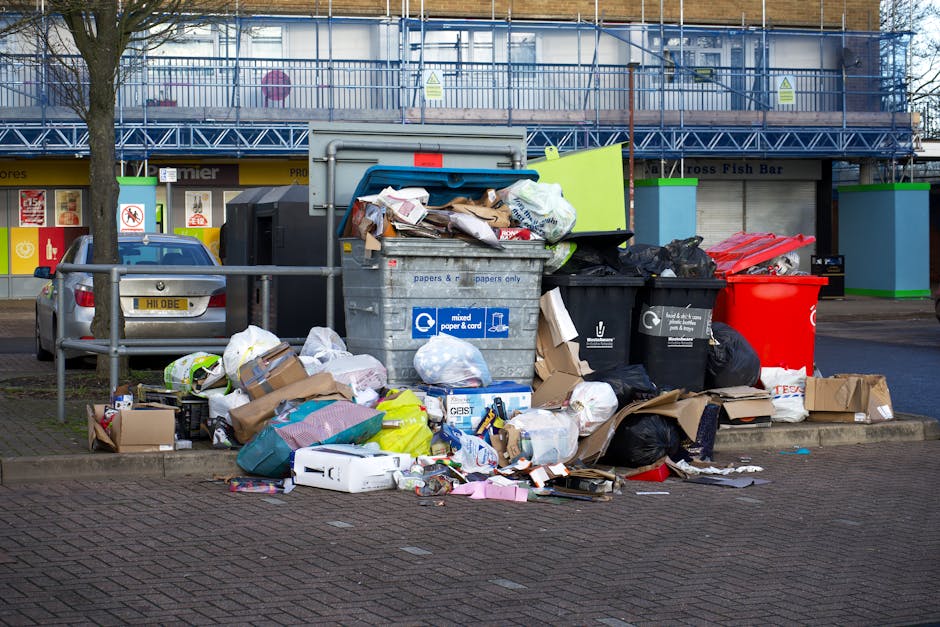
Why Maida Vale permit requirements for bulky rubbish collection W9 Matters
Bulky rubbish collections sound straightforward until you add real-life London conditions: narrow streets, controlled parking zones, basement flats, residents' bays, yellow lines, and the odd van that appears to have no idea what a turn signal is. In Maida Vale, those details matter because they can change whether a collection happens smoothly or gets delayed.
Permit requirements matter for three main reasons. First, they protect the public highway and keep parked vehicles from blocking access. Second, they help collection teams work legally and safely. Third, they protect you from avoidable costs if a vehicle cannot stop where it was planned. If you are arranging a one-off sofa removal or a larger house clearance, a small parking or loading issue can have a bigger knock-on effect than people expect.
There is also a practical side. Residents in Maida Vale often live in flats, converted buildings, mansion blocks, or homes with limited kerb space. A bulky waste item might be easy to move inside the property, but awkward once it reaches the pavement. That is where permit planning stops being admin and starts being useful.
For a broader sense of how the neighbourhood works day to day, it can help to read about Maida Vale's character and streetscape. The area's mix of older housing and busy residential roads explains a lot of the collection challenges people run into.
How Maida Vale permit requirements for bulky rubbish collection W9 Works
In practice, permit requirements depend on two things: where the collection vehicle will stop and how the waste will be loaded. If a vehicle can park legally without causing an obstruction, a permit may not be needed. If it needs to stop in a controlled bay, on a restricted street, or in a place that normally needs authorisation, then a permit or some form of parking arrangement may be required.
That does not always mean the resident personally applies for everything. Sometimes the collection company arranges the parking side of things. Sometimes the resident is asked to confirm details about the street, access, or timing. And sometimes the answer is simply that a roadside collection is not the smartest option for your property. A ground-floor flat with direct access is very different from a top-floor apartment down a narrow stairwell. Not even close.
In Maida Vale W9, you should also think about loading time. A bulky item may need two people, protective handling, and a clear route to the vehicle. If the vehicle is forced to wait in a restricted spot while items are carried down from an upper floor, the logistics become more sensitive. That is why good providers ask questions before giving a final plan. They are not being fussy; they are trying to avoid mess on the day.
If your collection is linked to a move, a sale, or a property handover, timing matters even more. The article on selling your home in Maida Vale is useful background if you are clearing rooms before viewings or completion.
Key Benefits and Practical Advantages
Once the permit side is sorted early, the whole process becomes calmer. You know where the vehicle can stop, what the access route looks like, and whether the collection can happen in one visit rather than two. That is not a small thing.
- Fewer delays: Correct parking arrangements reduce the chance of waiting around for a space.
- Lower risk of extra charges: If a job overruns because of parking confusion, costs can rise. Avoidable, usually.
- Smoother access: In flats and mansion blocks, a clear plan prevents awkward last-minute lifting problems.
- Better compliance: You are less likely to clash with local parking restrictions or loading rules.
- Less stress for neighbours: No one enjoys a van idling outside while the lift is busy and the corridor is half blocked.
There is another benefit people overlook: better waste sorting. When the collection is planned properly, bulky items can often be separated for recycling or reuse more effectively. That supports more responsible disposal, which is increasingly what residents want anyway. If sustainability matters to you, it is worth reviewing the company's recycling and sustainability approach before you book.
Expert summary: In Maida Vale, the best bulky rubbish collection is rarely the cheapest-looking one on paper. It is the one that accounts for parking, access, item size, and loading time from the start.
Who This Is For and When It Makes Sense
This topic applies to more people than you might think. You may need to understand permit requirements if you are:
- a tenant clearing out furniture at the end of a lease
- a landlord dealing with abandoned items after a tenancy
- a homeowner replacing large items before a refurbishment
- an office manager clearing desks, chairs, or filing cabinets
- a letting agent coordinating a move-out cleanup
- someone handling a probate, house clearance, or downsizing project
It also makes sense if you live in a part of Maida Vale where parking is tight or access is awkward. That includes many side streets, estate roads, and buildings where the lift is small or the stairwell feels like it was designed in a rush. If that sounds familiar, you are not alone.
In some situations, you may not need to worry much about a permit at all because the collection team can use private access or a legal loading spot nearby. In others, especially where timing is tight or the street is busy, the permit conversation should happen before anyone lifts a single item. If you are working to a deadline, such as a move-out or end-of-tenancy, the guide on Westminster Council waste rules for Maida Vale tenants is a smart companion read.
Step-by-Step Guidance
Here is a practical way to handle the process without overcomplicating it.
- List the items clearly. Note what needs removing, roughly how big it is, and whether anything is heavy, awkward, or fragile.
- Check access conditions. Think about stairs, lifts, corridor width, courtyard access, and whether the vehicle can get close enough.
- Identify street parking restrictions. Look at bay types, loading limits, and any obvious restrictions around your property. If you are unsure, ask before the booking is confirmed.
- Decide whether the vehicle will need a controlled parking spot. This is the key permit question. If the van cannot stop safely and legally, the collection plan may need to change.
- Tell the collection provider everything upfront. Do not leave out "small" details like a blocked driveway or a narrow front path. Those details are usually the ones that matter most.
- Ask who handles the permit side. Some providers manage the logistics; others expect the resident to arrange the parking authorisation. Get that confirmed early.
- Prepare the items before arrival. Keep bulky waste in one place if possible so loading is quicker and simpler.
- Keep a little buffer time. London collections can run behind for reasons nobody can fully control. Traffic, loading competition, and access issues happen.
A quick real-world example: if you live in a converted flat near a busy road and the only place a van can stop is a managed bay, the permit question should be settled before collection day. Otherwise, the team may arrive ready to work and spend half the appointment dealing with parking instead of removing anything. Annoying, and entirely avoidable.
Expert Tips for Better Results
After plenty of local rubbish clearances, a few habits consistently make life easier.
- Take photos of the items and the access route. A quick picture often explains more than a long message.
- Be precise about the postcode and street side. In W9, even the correct road can still mean different access conditions depending on which side you are on.
- Ask about timing windows. Early morning or midweek slots are often easier than peak traffic periods.
- Separate reusable items if you can. It is not only cleaner; it can improve the handling plan.
- Don't assume a permit is automatic. Sometimes the issue is not the permit itself, but whether the vehicle can legally stop long enough to load safely.
- Plan for stairs like you mean it. A large wardrobe on the third floor is a different beast from a small ottoman by the front door.
If you are arranging a collection near a station, busy junction, or event-heavy area, build in extra margin. For example, local demand near Warwick Avenue can make parking more competitive than you first expect. A useful local read is rubbish removal near Warwick Avenue Station in Maida Vale W9.
And yes, sometimes the most practical advice is the least glamorous one: book earlier than you think you need to. It saves a lot of faffing about.

Common Mistakes to Avoid
Most problems with bulky rubbish collection in Maida Vale are not dramatic. They are little errors that snowball.
- Assuming there is free stopping space outside. Often there is not.
- Forgetting bay suspension or loading restrictions. A vehicle can be on the right street and still be in the wrong place.
- Underestimating item size. That old wardrobe was somehow bigger when it was empty. Funny how that works.
- Leaving the access check until the day of collection. By then, it is already late.
- Not telling the provider about lifts, codes, or concierge rules. These details affect timing more than people realise.
- Mixing bulky items with builders' waste without saying so. Different waste types can require different handling.
- Choosing a service based only on the headline price. Hidden parking or waiting costs can make a "cheap" job less cheap pretty quickly.
A lot of avoidable pricing confusion comes from incomplete booking details. If you want to understand the issue better, read how to avoid hidden fees in Maida Vale rubbish removal quotes.
Tools, Resources and Recommendations
You do not need fancy tools for this. What helps most is good information and a bit of organisation.
- Phone camera: take photos of the items, access route, and parking signs.
- Notes app: keep a simple list of items and access details.
- Building entry details: door codes, concierge hours, lift size, and loading access.
- Calendar reminder: useful if you need to move cars, notify neighbours, or prepare a concierge desk.
- Provider checklist: ask what they need from you before the appointment.
For service planning, it helps to understand the wider range of options available. The services overview gives a useful sense of how different clearance jobs are usually grouped, while the pricing and quotes page is helpful if you want to compare the shape of a quote rather than just the headline number.
If your job involves mixed waste or larger clearances, these pages can also help you choose the right route: house clearance in Maida Vale, builders waste disposal in Maida Vale, and garden waste removal in Maida Vale.
Law, Compliance, Standards, or Best Practice
For permit requirements, the safest approach is to treat the parking side as a compliance issue, not an afterthought. In London, parking controls are taken seriously, and unloading on a restricted street without proper authority can cause problems for the vehicle operator and the customer alike. That is especially true where loading windows are limited or where a vehicle may obstruct traffic.
Best practice is simple: confirm who is responsible for parking arrangements, make sure the stop location is legal, and keep the collection window realistic. If the vehicle needs to wait, load, and depart in one short visit, the plan should support that. If not, build in another option.
For waste itself, the important standards are usually around correct handling, safe lifting, responsible disposal, and clear separation of waste types where appropriate. If your property has access challenges, the safety and insurance side matters too. You can read more about the company's approach on insurance and safety.
Privacy and payment handling also matter when you are booking remotely or sharing access details. That is why clear process pages such as payment and security and privacy policy are worth checking before you finalise anything.
Options, Methods, or Comparison Table
There is more than one way to handle bulky rubbish in Maida Vale. The right choice depends on access, item type, urgency, and whether parking or permits are likely to be involved.
| Method | Best for | Permit/parking pressure | Typical strengths | Watch-outs |
|---|---|---|---|---|
| Kerbside bulky collection | Small number of items with easy street access | Medium to high | Simple if parking is available | Can be delayed by restrictions or blocked bays |
| Man-and-van style clearance | Mixed household items, flexible timing, awkward access | Medium | Often more adaptable for flats and tight streets | Needs clear booking information to avoid extra time |
| Full house clearance | Large moves, probate, downsizing, end-of-tenancy | Medium to high | Efficient for multiple rooms and heavy loads | Access planning is essential |
| Specialist waste removal | Builders' waste, office clearance, garden waste | Varies | Better fit for waste type and volume | May need more precise job details |
One practical tip: if you are clearing a flat and the street is tight, a flexible collection service is often easier than a rigid curbside-only approach. That is one reason many residents compare rubbish collection in Maida Vale with broader waste removal options before deciding.
Case Study or Real-World Example
A typical Maida Vale scenario looks like this. A couple living in a second-floor flat needs to clear a broken sofa, a mattress, and two drawers before new furniture arrives. The street has limited bays, and one side is heavily used during the day. They assume the van can simply stop outside for ten minutes.
What usually happens if the permit side is ignored? The van arrives, parking is not available, and the team spends time looking for a legal stopping place. The collection still happens, but the schedule slips. The residents get flustered, neighbours get curious, and the whole thing feels harder than it should.
Now the improved version. The access details are checked in advance, the team is told about the flat, the collection window avoids peak congestion, and a legal parking plan is discussed before the appointment. The items are staged near the front door, the van knows exactly where it can stop, and the job is completed in one clean visit. Not perfect, not glamorous, just smooth. And that is what most people really want.
If your property has awkward stairs or narrow entrances, the article on access issues for Maida Vale flat rubbish removals is especially relevant. It deals with the kind of problems that only become obvious when a sofa is halfway out the door. Which, honestly, is not the best time to discover them.
Practical Checklist
Use this before you book bulky rubbish collection in W9.
- Identify every item that needs removing.
- Check whether any items are too heavy, fragile, or awkward for stairs.
- Confirm the exact address, postcode, and access point.
- Look at parking restrictions near the property.
- Ask who handles permits or parking authorisation.
- Make sure the collection team knows about lifts, codes, gates, or concierge rules.
- Separate waste types if you can.
- Move items to an accessible spot where safe and practical.
- Confirm the collection window and whether delays are possible.
- Keep your phone handy on the day in case the team needs directions.
One small thing, but it matters: if the building manager or landlord needs advance notice, give it. That can save you a last-minute headache and a mildly awkward conversation in the lobby.
Conclusion
Maida Vale permit requirements for bulky rubbish collection W9 are really about planning the collection properly around the street, the access, and the way the waste will be loaded. If you understand those basics, the rest gets much easier. The key is not to guess. Check the parking situation, be clear about access, and choose the collection method that fits the property rather than forcing the property to fit the plan.
For residents, landlords, and agents, that usually means fewer delays, less stress, and a cleaner result on the day. And in a place like Maida Vale, where streets and buildings vary quite a bit, a little preparation goes a long way. Sometimes the best outcome is simply a quiet, uneventful collection. No drama. No blocked bay. No surprise lift issues. Lovely, really.
Get a free quote today and see how much you can save.

Copyright © . House Clearance Maida Vale. All Rights Reserved.