Little Venice rubbish drop off points what to know Maida Vale
Posted on 09/10/2026
Little Venice rubbish drop off points: what to know in Maida Vale
If you live in or around Little Venice, rubbish disposal can feel deceptively simple until you're standing beside a bin bag, a broken chair, or a pile of cardboard and wondering where it all actually goes. This guide to Little Venice rubbish drop off points what to know Maida Vale is here to make that decision easier. Whether you're clearing a flat after a move, dealing with garden cuttings, or just trying to stay on the right side of local waste rules, a little local know-how saves time, stress, and awkward surprises.
To be fair, most people don't think about rubbish until they have too much of it. Then it becomes urgent. The good news is that Maida Vale and the wider Little Venice area have several practical disposal routes, depending on what you're throwing away, how much there is, and how quickly you need it gone. In this article, we'll cover the basics, the pitfalls, the best options for different situations, and a few common-sense checks that can spare you a headache later.
For readers who want a broader view of the area itself, our guide to Maida Vale's history and character is a useful companion read. And if you are comparing disposal options for a one-off job, you may also find our overview of waste and clearance services helpful.
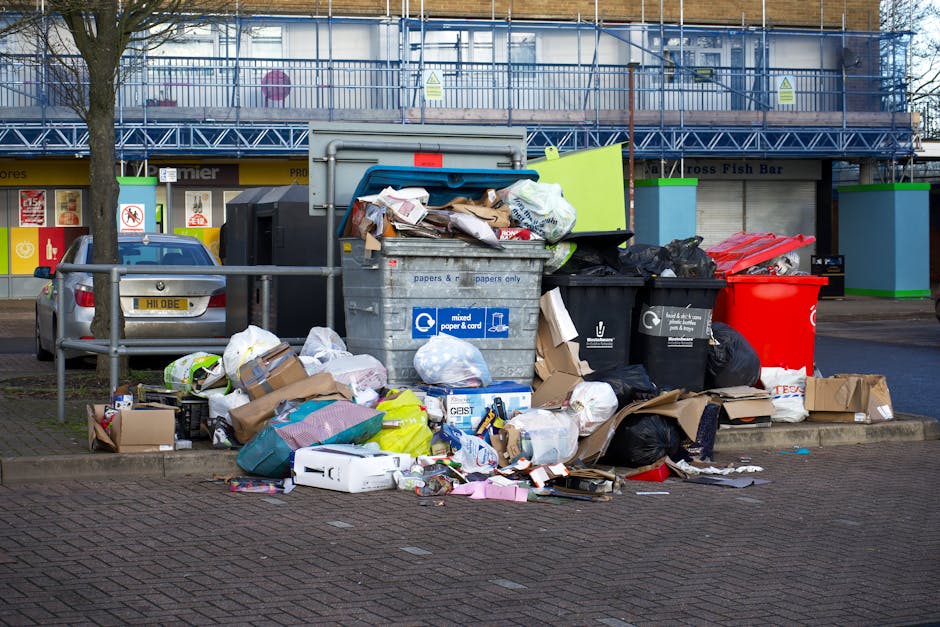
Why Little Venice rubbish drop off points what to know Maida Vale Matters
Little Venice and Maida Vale have a very specific feel: period homes, narrow streets, shared entrances, basement flats, busy pavements, and plenty of residents who value a tidy, well-kept neighbourhood. That setting changes how rubbish disposal works in practice. Leaving waste in the wrong place, at the wrong time, or in the wrong type of bag can quickly create clutter, complaints, or collection issues. It can also attract vermin, block access, and make an already tight street feel even tighter.
Rubbish drop off points matter because they give residents a lawful, practical way to handle waste that does not fit neatly into the weekly bin routine. Sometimes the issue is scale: one standard bin is not enough after a clear-out or renovation. Sometimes it is material type: items such as small electricals, bulky packaging, or garden debris may need separate handling. And sometimes it is simply timing; not everyone can wait for the next council collection window.
There is also a neighbourliness angle here. In a place like Little Venice, where many buildings share walls, hallways, and service spaces, tidy waste management is part of living well together. A small pile of boxes left too long can become everyone's problem. You know the sort of thing: one person's "I'll move it tomorrow" becomes three days, then a week, then suddenly it's nobody's rubbish but still sitting there.
If you are thinking more broadly about moving, selling, or buying locally, the way waste is handled often comes up at exactly the wrong moment. That is why articles like our Maida Vale property buying guide and selling your home in Maida Vale can be surprisingly relevant. Clear spaces make for easier viewings, easier handovers, and fewer last-minute scrambles.
How Little Venice rubbish drop off points what to know Maida Vale Works
There is no single universal rubbish drop off system that suits every household in Little Venice. In practice, people usually choose between a few routes depending on the type and volume of waste. The main idea is simple: sort your waste first, then match it to the right disposal method.
Here is the usual logic.
- Small household waste goes into regular kerbside bins or communal bins where available.
- Recyclable materials such as cardboard, paper, certain plastics, glass, and metal should be separated where local facilities allow.
- Bulky items like furniture, mattresses, or old appliances often need a dedicated collection or a proper drop-off option.
- Green waste such as branches, grass, and hedge clippings is best kept separate from general rubbish.
- Trade or renovation waste usually needs a more formal route and should not be mixed with domestic waste.
In local terms, "drop off point" might mean a reuse and recycling facility, a special collection service, or a commercial waste solution that comes to you. It does not always mean a literal place where you can just leave bags on the pavement. That distinction matters. A lot.
For households needing a more direct service, options like rubbish collection in Maida Vale or waste removal in Maida Vale can be a sensible alternative, especially where access is awkward or the waste is too much for a normal bin run. If the waste includes old wardrobes, beds, or mixed household clutter, a tailored house clearance service in Maida Vale may be the cleaner solution.
For some residents, especially those in flats or managed buildings, the real challenge is not disposal itself but logistics. Can a van get close enough? Is there lift access? Are there stairs, codes, or shared entrances? The answer often determines whether a DIY drop-off is realistic or whether a collection service is less stressful and, frankly, less faff.
Key Benefits and Practical Advantages
Using the right rubbish drop off method in Little Venice is not just about getting rid of clutter. It can improve the whole rhythm of your home or business for the day, and sometimes for the week after.
- Faster clear-outs: When waste is sorted and removed in one go, rooms become usable again quickly.
- Less risk of missed collections: If you rely only on kerbside timing, one missed slot can leave you stuck for days.
- Cleaner shared spaces: Useful in mansion blocks, converted houses, and flats with communal entrances.
- Better recycling habits: Proper sorting increases the chance that recyclable material is handled appropriately.
- Reduced stress during moves: Moving home is busy enough without tripping over old boxes and broken shelving.
- Better presentation: Handy for landlords, sellers, and anyone preparing for viewings or contractors.
There is also a less obvious benefit: mental space. A clear hallway or cleared corner can make a property feel calmer almost immediately. You can hear it in the room, weirdly enough. Less crunch underfoot, fewer bags rustling, fewer things waiting to be dealt with. That matters more than people think.
If sustainability is a priority for you, it is worth reviewing the company's own guidance on recycling and sustainability. A decent disposal plan should do more than just move waste out of sight; it should try to keep reusable or recyclable items in the right stream where possible.
Who This Is For and When It Makes Sense
This topic is useful for a wide range of people in Little Venice and Maida Vale. Some are dealing with one bag. Others are dealing with a small mountain. Different problem, same basic need: get it gone properly.
Homeowners and tenants
If you have a flat clearance, spring tidy-up, or end-of-tenancy situation, understanding rubbish drop off options helps you avoid clutter building up in communal areas. Tenants especially should check building rules and lease terms before moving items through shared spaces.
Landlords and letting agents
When a tenant moves out, there is often a mix of leftover items, broken furniture, and miscellaneous waste. A clear disposal plan speeds up re-letting and helps keep the property presentable.
Home sellers
Anyone preparing for sale benefits from having fewer visible items around. If you are getting a property market-ready, it often helps to combine a tidy-up with a local selling guide for Maida Vale homes. First impressions are not everything, but they are not nothing either.
Small businesses and home offices
Offices, studios, and remote-working setups often generate paper waste, packaging, old electronics, and occasional bulky furniture. For those scenarios, office clearance in Maida Vale can be a cleaner option than trying to piece together several separate drop-offs.
Gardeners and outdoor-property owners
People with terraces, small gardens, or shared outside areas may need help moving hedge cuttings, soil, or seasonal waste. In that case, garden waste removal in Maida Vale is often the most practical route, especially after a big prune or post-storm tidy.
And yes, if you are just one person with two bags and a broken lamp, this still matters. Small jobs can become irritating very quickly when you do not know the right route.
Step-by-Step Guidance
If you want to deal with rubbish in Little Venice without overthinking it, follow this simple process.
- Identify the waste type. Is it general rubbish, recycling, bulky furniture, garden waste, or mixed items?
- Separate what can be separated. Cardboard, metal, green waste, and reusable items should be kept apart where possible.
- Check access and volume. If waste is awkward, heavy, or too much for your car, a collection service may be the better choice.
- Look at timing. Are you working around a move, a contractor visit, building management rules, or a deadline?
- Decide whether drop-off or collection is realistic. If you can safely transport the waste and have a proper destination, drop-off may work. If not, arrange collection.
- Prepare items properly. Bag loose waste, flatten cardboard, drain or clean recyclable containers, and remove sharp edges where safe to do so.
- Confirm any restrictions. Some items need special handling, and some sites or services do not accept everything.
That sounds straightforward, and often it is. But the real world loves a complication. The lift is tiny. The weather turns. The sofa will not fit through the door. Suddenly, what seemed like a five-minute errand becomes a half-day event. That is usually the moment people decide to stop improvising.
If your waste includes mixed items and the job feels bigger than a simple drop-off, take a look at builders waste disposal in Maida Vale for renovation debris or general waste removal for broader clear-outs. The right route depends on the mix, not just the volume.
Expert Tips for Better Results
A few small habits can make rubbish disposal much easier in Maida Vale and Little Venice. Nothing dramatic. Just sensible, local-proof habits.
- Sort before you carry. Once the waste is in the hallway or boot of the car, sorting becomes messy fast.
- Keep reusable items separate. A chair with life left in it should not be treated like broken waste.
- Use clear labels for mixed clear-outs. This helps if more than one person is involved.
- Plan around access windows. If you rely on lifts, loading bays, or building entry codes, keep the timing tight.
- Protect surfaces and stairs. Old furniture and bagged rubble can scratch floors before you even notice.
- Use the calm hours. Early morning or midweek slots are often easier than trying to wrestle rubbish out after dark.
There is another quiet win here: take photos before you start. Sounds dull, I know. But if you are clearing a flat, sharing access with a landlord, or documenting what is being removed, those pictures can prevent misunderstandings later.
For people trying to keep the whole process efficient and transparent, the company's pricing and quotes information can help set expectations before a booking is made. Clarity upfront is a gift, honestly.

Common Mistakes to Avoid
A lot of rubbish disposal problems in Little Venice are avoidable. The same errors crop up again and again.
- Leaving bags beside overflowing bins: This can create nuisance, invite complaints, and may not be permitted.
- Mixing different waste types: A recycling load contaminated with general waste can undermine the whole effort.
- Assuming all bulky items are the same: Mattresses, fridges, wardrobes, and building rubble often need different handling.
- Ignoring access constraints: A disposal plan is only as good as the route out of the building.
- Delaying too long: "I'll deal with it later" is a classic, and not a very useful one.
- Using an unlicensed or unclear service: This can create legal and environmental problems if waste is not handled properly.
One more practical point: do not underestimate the hassle of moving items through a shared home. That awkward pause on the landing while you try to turn a wardrobe corner? Not ideal. Sometimes the safest choice is not the most heroic one; it is the one that leaves the place intact and your back not ruined.
Tools, Resources and Recommendations
You do not need a van-load of equipment to manage waste well, but a few basic tools make a big difference.
| Tool or resource | Why it helps | Best for |
|---|---|---|
| Heavy-duty bags | Reduces split bags and spills | General waste, mixed household rubbish |
| Cardboard cutter or box knife | Helps flatten packaging | Moves, deliveries, e-commerce packaging |
| Gloves | Protects hands from sharp edges and dirt | All sorting and loading jobs |
| Trolley or sack truck | Makes bulky items easier to move | Flats, basements, heavier loads |
| Labels or marker pen | Keeps waste categories separate | House clearances, office clearances |
For many readers, the most useful resource is not a tool but a service choice. If you want a full view of the available options, the services overview is a good starting point. It helps you compare basic collection, targeted removal, and more involved clearance jobs without guessing.
If you want to learn more about the business behind the service, the about us page is worth a look too. Trust matters, especially when somebody is handling waste from your home or workplace.
Law, Compliance, Standards, or Best Practice
Waste disposal in London is not just a convenience issue; it is also a responsibility issue. While this article does not replace official local guidance, the safest approach is to assume that waste should be handled in line with current UK rules, building policies, and accepted environmental practice.
A few broad principles are worth keeping in mind:
- Do not leave waste where it creates a hazard or obstruction.
- Use legitimate disposal routes. Unclear or unofficial waste handling can cause problems later.
- Separate recyclables where possible. This is both practical and environmentally sensible.
- Be cautious with specialist waste. Items like electricals, construction debris, and large appliances may require different handling.
- Check property and building rules. Some blocks in Maida Vale and Little Venice have specific bin stores, collection times, or moving restrictions.
For customers concerned about safety and handling standards, the company's insurance and safety information provides a useful reassurance point. That sort of detail matters more than people realise, especially during larger clearances.
It is also sensible to review your own privacy and payment expectations before booking any service. Those pages are not glamorous, obviously, but they help set a professional baseline. If you want to check them, here are the relevant resources: payment and security, privacy policy, terms and conditions, and cookie policy. For website accessibility information, there is also an accessibility statement available.
Options, Methods, or Comparison Table
Here is a simple comparison of the main ways people in Little Venice and Maida Vale usually deal with rubbish. The right option depends on what you have, how quickly you need it removed, and how much effort you want to spend.
| Method | Best for | Pros | Watch-outs |
|---|---|---|---|
| Kerbside/bin disposal | Small, routine household waste | Convenient, familiar, low effort | Limited capacity, timing dependent |
| Self drop-off | Sorted waste with easy transport | Useful for smaller loads, direct control | Needs transport, time, and the right facility |
| Rubbish collection | General mixed waste and bulky items | Convenient, less physical effort | Needs booking and preparation |
| House clearance | Full property clear-outs or heavy clutter | Efficient for larger jobs | Not always necessary for tiny loads |
| Specialist disposal | Builders waste or green waste | Handles category-specific waste correctly | Must match the waste type properly |
If you are a landlord, letting agent, or business owner, the comparison usually tilts toward professional help sooner rather than later. For builders' debris, builders waste disposal in Maida Vale is designed for exactly that sort of mixed, heavy, awkward material. For a patch of outdoor waste after trimming and tidying, the dedicated garden waste removal service is often simpler than trying to squeeze green waste into general disposal channels.
Case Study or Real-World Example
Picture a typical Maida Vale flat just off Little Venice: two bedrooms, a narrow stairwell, a storage cupboard that quietly became a dumping ground, and a front room full of flattened boxes after a move. Nothing dramatic. Just ordinary life, with clutter attached.
The residents first thought they would make several trips themselves. After one failed attempt to fit a table base into a car boot and an evening spent tying bags more carefully than they wanted to, they realised the problem was not the rubbish itself. It was the number of separate tasks: sorting, carrying, loading, and finding a legal place for each item.
So they changed approach. General household waste was bagged. Cardboard was flattened. One old sofa and a broken chest of drawers were separated as bulky items. The remaining mixed clutter was handled through a single collection arranged in advance. The result was not just a clearer flat. It was a calmer one. The hallway stopped being a hurdle and started being, well, a hallway again.
That is the bit people remember later. Not the actual lifting. The relief.
If you are facing a similar job, whether domestic or business-related, it can help to choose the service that matches the whole picture rather than the nearest quick fix. A good fit saves time, and less time carrying rubbish is never a bad thing.
Practical Checklist
Use this checklist before you decide how to handle rubbish in Little Venice or Maida Vale.
- Identify the waste type - general, recycling, bulky, green, or mixed.
- Separate reusable items - donate, resell, or keep aside where sensible.
- Check building access - stairs, lifts, codes, and parking all matter.
- Confirm timing - do not leave collections or drop-offs to the last minute.
- Review local rules - especially for shared buildings and disposal restrictions.
- Choose the right service - collection, house clearance, office clearance, or specialist removal.
- Prepare safely - gloves, secure bags, flat-packed cardboard, and careful lifting.
- Keep proof or notes - useful if a landlord, agent, or building manager needs it.
- Prioritise recycling where possible - simple sorting goes a long way.
- Use a trusted provider - especially for large or mixed waste loads.
If you want broader support with local disposal planning, this local living guide gives useful context about what day-to-day life in the area is really like. And if you are planning an event or clearing space beforehand, the article on where to host a party in Maida Vale can be handy in a roundabout way, because yes, a tidy venue matters more than people admit.
Conclusion
Little Venice rubbish drop off points what to know Maida Vale comes down to one practical idea: the right disposal route depends on the waste, the timing, and the reality of your building or street. What works for a small cardboard run may be completely wrong for a sofa, a builder's skip load, or a post-move clear-out. The more you match the method to the material, the smoother everything becomes.
In a neighbourhood where space is precious and shared access is common, thoughtful rubbish handling is part of keeping the area pleasant, orderly, and easy to live in. That is true whether you are clearing a single room or dealing with a bigger project. And honestly, it does make life feel lighter when the clutter is finally gone.
If you are weighing up your next step, keep it simple: sort first, choose the proper disposal route, and do not leave awkward waste waiting around. Small decision, big difference.
Get a free quote today and see how much you can save.
Sometimes the cleanest outcome is just the calmest one.


Copyright © . House Clearance Maida Vale. All Rights Reserved.