Fines and disposal laws Maida Vale rubbish removal explained
Posted on 30/07/2026
If you live, rent, manage property, or run a business in Maida Vale, rubbish removal is not just about clearing space. It also sits right next to local waste rules, fly-tipping risks, landlord responsibilities, and the sort of fines nobody wants to deal with on a wet Tuesday morning. This guide on Fines and disposal laws Maida Vale rubbish removal explained breaks it all down in plain English, with the practical bits that matter in real life: what counts as lawful disposal, what can trigger a penalty, how to avoid the classic mistakes, and when it makes sense to book professional help instead of trying to wing it.
You will also find local context for Maida Vale homes, flats, managed blocks, gardens, and building projects. That matters more than people think. In a dense part of London, one badly placed bag or one skipped step can become a very visible problem. Let's keep it simple, useful, and properly grounded.
Why Fines and disposal laws Maida Vale rubbish removal explained Matters
Waste disposal law can feel like background noise until it becomes your problem. Then it becomes very loud, very fast. In Maida Vale, where many properties are flats, converted houses, and managed buildings, even a small clearance can touch on shared access, bin storage, pavement rules, collection timing, and the correct handling of bulky or restricted items.
The biggest reason this topic matters is simple: improper disposal can cost money and cause avoidable stress. You may be dealing with a warning notice, a rejected collection, a landlord complaint, or a contractor leaving waste behind. Sometimes the issue is obvious; sometimes it is one of those annoying grey areas where the rubbish was technically moved, but not disposed of properly. That is where fines tend to creep in.
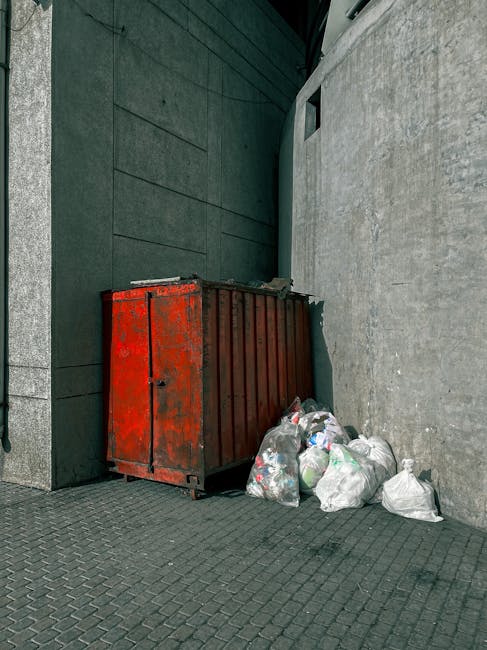
Maida Vale also sits within a part of London where space is tight and standards matter. Bags left on the street, furniture dumped without arranging the correct collection, or construction waste placed in the wrong location can all create problems for residents and neighbours. Nobody wants their front step to become the neighbourhood's unofficial dumping ground. Not a great look, to be fair.
If you are new to the area, or simply want to understand the local setting a bit better, it helps to see Maida Vale as more than a postcode. Articles like this overview of Maida Vale and local views on living in Maida Vale show why the area's layout and housing style make waste handling feel different from a typical suburban clear-out.
How Fines and disposal laws Maida Vale rubbish removal explained Works
At a practical level, rubbish disposal law is about three things: where the waste comes from, how it is stored or presented, and where it ends up. If any of those steps is mishandled, the risk of a fine rises.
For residents, the most common issues are:
- leaving waste in a public place without proper arrangement
- putting out items too early or in the wrong container
- using unlicensed or careless clearance operators
- mixing ordinary household waste with builders' waste, electrical items, or hazardous materials
- failing to separate what can be reused, recycled, donated, or disposed of differently
For landlords and property managers, there is another layer. You may need to ensure tenants know the building rules, common bin arrangements, and any restrictions on bulky items. A surprise sofa dumped near the entrance can turn into a building management headache before lunch.
For trades and renovation jobs, the rules become even more important. Builders' rubble, plasterboard, timber offcuts, packaging, metal, and mixed debris cannot just be thrown in with regular household waste and forgotten about. If a skip, a collection, or a van load is handled badly, the issue may not stop at inconvenience. It can become a compliance matter.
If you want a sense of the service landscape around the area, it helps to compare the different types of support available through the services overview, plus focused options such as house clearance in Maida Vale, garden waste removal, and builders waste disposal. Different waste streams usually need different handling. That is where people trip up.
One useful way to think about it: if you cannot confidently say what the item is, where it should go, and who is responsible for removing it, pause before you dump it anywhere. That pause saves people money.
Key Benefits and Practical Advantages
Compliance is not just about avoiding trouble. Done properly, it makes rubbish removal easier, cleaner, and faster. That is the bit people often miss.
- Lower risk of fines: you reduce the chance of enforcement action, complaints, or re-collection costs.
- Less neighbour friction: nobody enjoys shared hallways smelling of old carpet, damp cardboard, or garden cuttings.
- Cleaner property presentation: useful for moves, rentals, sales, and viewings.
- Better recycling outcomes: separating materials correctly helps more waste be recovered responsibly.
- Less operational stress: a proper collection plan reduces last-minute panic.
There is also a financial angle. A cheap clearance that leads to missed collection, illegal dumping, or a council complaint can end up being far more expensive than a properly arranged service. People sometimes focus on the headline price and forget the hidden cost of getting it wrong. If you have ever had to move a pile of broken furniture twice, you will know the feeling.
For anyone comparing options, pricing and quotes should always be read alongside what is actually included. Transparent pricing matters because compliance often depends on the service scope being clear from the start. If you want to avoid surprise add-ons, this becomes even more relevant.
There is a sustainability benefit too. Better sorting and more responsible disposal can reduce avoidable landfill use and make the whole process feel a lot less wasteful. If that matters to you, the company's recycling and sustainability approach is worth understanding before you book.
Who This Is For and When It Makes Sense
This topic is useful for a wider group than you might expect. It is not only for people with a mountain of junk in the hallway.
Homeowners need it when clearing lofts, garages, sheds, or an entire property before a sale. If you are in that phase, a related read like selling your home in Maida Vale gives helpful context on why a clean, uncluttered property is easier to handle.
Tenants need it when dealing with shared bins, move-out waste, or landlord rules. There is a lot of confusion here, especially in flats. The guide on Westminster Council waste rules for tenants is especially relevant if you are trying to figure out what sits with you and what sits with the building.
Landlords and agents need it for end-of-tenancy clearances, void property work, and messy left-behinds. A small failure in instruction can snowball into a complaint or a chargeback. Related mistakes are covered in this guide to landlord booking mistakes.
Builders and trades need it because mixed construction waste is where disposal mistakes are most expensive. You cannot treat rubble like garden clippings. That sounds obvious written down, but in real life people do it more often than they admit.
Event organisers and hosts also benefit. If you have hosted a party, launch, or gathering in the area, waste can build up faster than expected. For that angle, where to host a party in Maida Vale may spark useful planning ideas, while event rubbish removal in Maida Vale is more directly practical.
And then there are the in-between jobs: one wardrobe, three bags, a broken bed base, some garden waste, maybe a few old appliances. Those are the jobs where people often wonder whether to hire a collection service or manage it themselves. The answer usually depends on access, time, lifting risk, and how strict the disposal rules are for the items involved.
Step-by-Step Guidance
Here is a straightforward process that works well for most Maida Vale rubbish clearances.
- Identify the waste type. Separate household rubbish, bulky items, green waste, trade waste, electricals, and anything potentially hazardous. If it is mixed, note that early.
- Check who is responsible. For flats and rentals, confirm whether the resident, landlord, managing agent, or contractor is meant to arrange removal.
- Review building access. Narrow stairwells, limited parking, controlled entry, and lift restrictions can affect the safest and most lawful way to remove items. If access is tight, this article on access issues for Maida Vale flat rubbish removals is genuinely useful.
- Choose the correct disposal route. Not everything should go into a standard bin. Some items need specific handling, and some need a specialist service.
- Book the collection in advance where needed. Last-minute pile-ups often lead to shortcuts. Shortcuts and waste law do not get along very well.
- Keep records or confirmation. For larger jobs, retain your booking details and any written confirmation of the service scope.
- Make sure the waste leaves legally. The clean-up is only half the job. Proper end disposal is the part that protects you.
If you are booking a same-day clearance, build in some realism. Same-day can be brilliant, but only if access, timing, and waste type all line up. Otherwise, delays happen. There is a helpful local read on common delays in same-day rubbish clearance if you want to see where those problems usually start.
A small but useful tip: before collection day, make sure the items are in one place, not spread across four rooms and a stairwell. It sounds obvious. It is not always done. And yes, someone usually remembers the heavy item after the crew has arrived.
Expert Tips for Better Results
These are the practical habits that reduce mistakes and keep the process smooth.
- Be precise about the contents. "A few bits" is not enough if the job includes paint tins, electronics, or builders' debris.
- Avoid mixing waste streams. Mixed loads can increase costs and complicate lawful disposal.
- Think about access before lifting starts. In Maida Vale, the building layout often matters as much as the volume of rubbish.
- Don't leave waste outside overnight. It looks untidy, attracts complaints, and can create enforcement risk.
- Ask how the waste will be handled after collection. That one question can tell you a lot about the provider's standards.
- Keep timing realistic. If you need to remove waste before a tenancy handover, viewing, or works deadline, plan backwards rather than hoping for a miracle at 5pm.
There is also a trust point here. A professional operator should be able to explain how they sort, load, and dispose of different materials without sounding vague. If the answer feels slippery, that is a sign. Not always a deal-breaker, but worth noticing.
If you are comparing options and want a broader sense of how services are presented, rubbish collection in Maida Vale and waste removal in Maida Vale can help frame what a more organised service looks like. For business premises, office clearance in Maida Vale is the more relevant route.
A tiny reality check: the best rubbish job is the one you barely notice afterwards. Quiet, tidy, done correctly. A bit boring, maybe. But boring is good when the law is involved.
Common Mistakes to Avoid
This is where many people get caught out. Most mistakes are avoidable, which is annoying in the moment and comforting afterwards.
- Assuming all waste can go together. Household rubbish, green waste, and construction waste often need different handling.
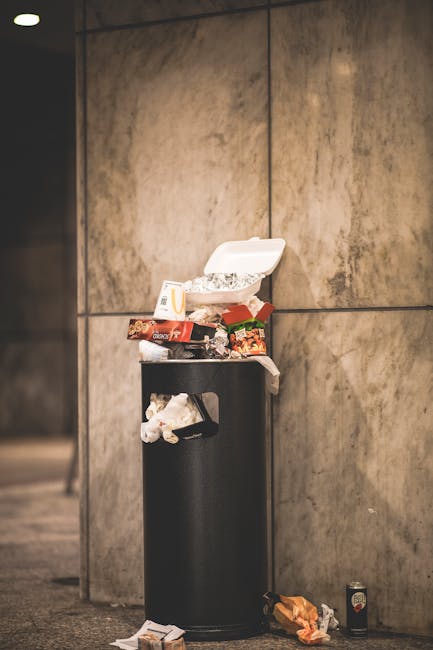
- Leaving items in communal areas. Hallways and front steps are not temporary storage space.
- Using an unclear or unverified operator. If you cannot tell how they work or what they take away, that is risky.
- Booking too late. Rushed decisions tend to produce rushed disposal.
- Ignoring access complications. A van outside does not solve a narrow staircase or parking restriction.
- Forgetting duty of care. You should always be satisfied that waste is being handled properly, not just removed from sight.
Another common issue is hidden costs. People see a low quote, then realise collection access, extra weight, or restricted materials are priced separately. That is why avoiding hidden fees in Maida Vale rubbish removal quotes is such a useful read. It helps you ask the right questions before the van turns up.
Also, if you are dealing with bulky waste, do not assume the same process as ordinary bin waste. Bulky items often need extra care and more room. A practical local guide like the Elgin Avenue bulky waste collection guide shows how these jobs can differ in a real street-by-street setting.
Truth be told, most headaches start with one small assumption. Then suddenly the job is bigger, messier, and more expensive than expected. Funny how that happens.
Tools, Resources and Recommendations
You do not need a complicated toolkit to manage waste properly, but a few simple habits and documents help a lot.
- A waste inventory: jot down what needs removing before you contact a provider.
- Photos: useful for quoting, access planning, and confirming what is included.
- Building notes: if there are access codes, loading restrictions, or concierge rules, write them down.
- A separation plan: keep recyclables, donate-able items, and true waste apart where possible.
- Booking confirmation: save the job details and scope in writing.
Useful site-level pages to understand how a service is set up include about us, insurance and safety, and payment and security. Those are not just background pages. They help signal how seriously a company treats risk, liability, and customer protection.
If your job involves a garden overhaul, use garden waste removal in Maida Vale rather than stuffing green waste into mixed rubbish without thinking. If it is a renovation project, builders' waste disposal is the clearer fit.
For people researching the area before a purchase or move, local context can help you plan for waste management realities too. See the Maida Vale property buying guide if you want to understand the housing style and what that often means for access and storage.
Law, Compliance, Standards, or Best Practice
This is the part to treat with care. Waste law changes over time, and local enforcement can vary by situation, so you should always check the current position if your job is unusual or large. That said, the broad best-practice principles are stable enough to be very useful.
In plain terms, compliance usually means:
- not dumping waste in unauthorised places
- not obstructing public land, pavements, or communal access routes
- sorting waste responsibly where needed
- using reputable collection methods for bulky, mixed, or restricted items
- keeping clear responsibility between residents, landlords, and contractors
For Maida Vale residents and landlords, the practical takeaway is straightforward: make sure the waste is stored, moved, and disposed of in a way that would look reasonable if someone inspected the situation a day later. That is a surprisingly good test. If the answer is no, rethink it.
Best practice also means choosing clarity over assumption. If a contractor says they can handle the job, ask what happens to the waste afterwards, whether sorting is included, and how they manage materials that need special handling. Good operators can answer without sounding defensive. They should not act as if that is an odd question. It is not.
Where there are safety concerns, such as heavy lifting, sharp debris, awkward access, or potentially hazardous contents, treat the job as a managed task rather than a simple tidy-up. Safety and compliance overlap more than people realise.
Options, Methods, or Comparison Table
Choosing the right disposal method is often the difference between an easy job and a regretful one. Here is a practical comparison.
| Method | Best for | Strengths | Watch-outs |
|---|---|---|---|
| Self-managed disposal | Very small, simple loads | Flexible, low direct spend if you already have transport | Time-consuming, easy to make a mistake, access and sorting issues |
| Local waste collection | Routine household waste and some bulky items | Structured and familiar | Not suitable for every item, timing may be limited |
| Professional rubbish removal | Bulky, mixed, urgent, or awkward clearances | Faster, less lifting, usually easier compliance | Quality varies; pricing and scope need checking |
| Specialist clearance | House, office, garden, or builders' waste | Matched to the waste type, usually more efficient | Requires accurate description of the job |
For most Maida Vale residents, the sweet spot is often professional removal for anything bulky, mixed, or time-sensitive, and routine local collection for normal day-to-day waste. The trick is to match the method to the waste, not the other way round. Simple idea. Very easy to overlook.
Case Study or Real-World Example
Here is a realistic scenario. A Maida Vale flat is being prepared for new tenants. The outgoing occupants have left a bed frame, a broken chair, several bags of mixed items, and a few bits of old kitchen equipment in the hallway. The landlord wants the place ready quickly. The managing agent also wants the communal area cleared before complaints start coming in.
The sensible approach is to identify the items first, separate anything recyclable or special-category, check access requirements, and arrange a removal method that can handle a mixed load properly. If the items are left in the hallway while everyone waits for "someone else" to deal with them, the risk rises. Neighbours notice. The building looks messy. The whole thing becomes harder.
In a case like this, a controlled clearance is better than trying to split the work between multiple ad hoc trips. It saves time, reduces the chance of missed items, and lowers the likelihood of someone dumping the wrong thing in the wrong place. It also helps the landlord hand over a clean property with less drama, which is usually the goal. Not glamorous, but effective.
This kind of job often comes up after a stressful move, and people are tired. That matters. When you are tired, it is easy to cut corners. A little planning at the start saves a lot of friction later.
Practical Checklist
Use this quick checklist before any rubbish removal job in Maida Vale.
- Have I identified exactly what needs removing?
- Is any item hazardous, electrical, sharp, or unusually heavy?
- Do I know who is responsible for the disposal?
- Are there building, landlord, or access rules to follow?
- Have I separated garden waste, builders' waste, and general rubbish where relevant?
- Do I know where the waste will go after collection?
- Have I confirmed the quote and what it includes?
- Is the collection time realistic for the property layout?
- Have I avoided leaving waste in a shared or public space?
- Do I have written confirmation or booking details saved?
If you can tick most of those boxes, you are in a much better position than most people who rush the job. And yes, a bit of preparation really does make it easier. Sometimes almost boringly easier.
Conclusion
Fines and disposal laws may not be the most exciting part of rubbish removal, but in Maida Vale they are the part that protects you from avoidable problems. Once you understand the basics, the rest becomes much more manageable: know what you are throwing away, follow the right disposal route, keep shared areas clear, and choose a service that handles waste properly from start to finish.
The key thing is not perfection. It is awareness. A little planning, a bit of local understanding, and a sensible approach to compliance go a long way. Whether you are clearing a flat, a garden, an office, or a renovation site, lawful disposal is the quiet foundation that keeps everything else running smoothly.
If you are comparing options, planning a clearance, or trying to avoid the usual hidden pitfalls, take a moment to review the wider service information and the practical guides linked above. It may save you time, stress, and a surprisingly awkward conversation later on.
Get a free quote today and see how much you can save.
And if you are still weighing it up, that is fine too. Better to pause and do it properly than rush, guess, and have to sort it all out twice.


Copyright © . House Clearance Maida Vale. All Rights Reserved.